
Teen Martial Arts Class in Las Vegas
Amazing martial arts class for teens not only teaches self-defense … but gives them the tools they need for success in life…
How Martial Arts Can Transform Your Teenager’s Life
Consider this… Your teenager is growing up in a world of endless screens, social-media comparison, school pressure, and more anxiety than most adults remember from their own youth. Confidence can feel fragile. Focus can scatter. Energy has nowhere healthy to go. And that’s not all. Many teens quietly struggle with bullying, poor posture from phones, restless nights, and a vague sense that they’re not quite in charge of their own lives.
Let’s face it… The teenage years can feel like a storm. But what if you could give them a structured, time-tested path that builds the body, sharpens the mind, and forges character at the same time? Just imagine a young person who stands taller, handles conflict with calm, sets goals and actually follows through, and walks into a room with quiet self-respect.
I know, you’re probably skeptical. Right? Martial arts can sound like kicking and yelling or something reserved for kids who already love combat sports. Don’t get me wrong: some classes are flashy.
But make no mistake about it… the right martial arts program for teenagers is one of the most complete personal-development tools available.
And here’s some great news for you: the benefits compound. They show up in the dojo, at school, at home, and years later when the stakes get higher.
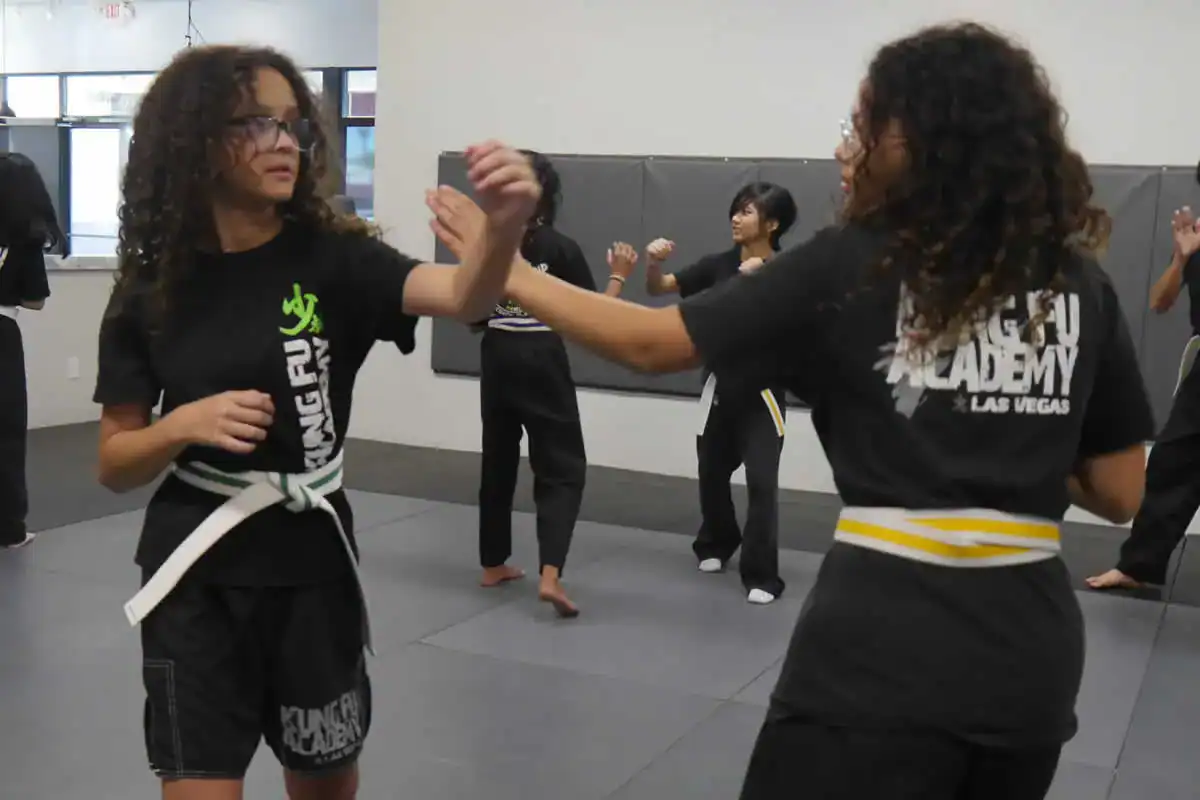
But before I jump into the details, let me say this… This isn’t about turning every teen into a tournament champion. It’s about giving them tools most schools never systematically teach: discipline that isn’t just punishment, confidence that isn’t swagger, fitness that isn’t another boring gym membership, and respect that starts with themselves.
Let’s start with the physical side, because that’s what most people notice first.
Physical strength, coordination, and real fitness that lasts
Consider this… A typical teenager sits more than they move. Phones, homework, rides everywhere. The result? Tight hips, weak cores, slouched shoulders, and energy that either crashes or explodes at the wrong time.
Martial arts classes change that. Students learn to generate power from the ground up, keep their balance under pressure, and use their whole body as one coordinated unit. Kicks, punches, footwork, rolls, and partner drills build:
And that’s not all… Classes usually mix hard work with play. Pads, light sparring when they’re ready, forms or kata, and games that hide the conditioning. The result? Teens who used to groan at PE start looking forward to sweating.
Can you imagine how great that feels? To watch a once-sluggish teen bounce into the kitchen after class, hungry in a good way, sleeping better, and standing like they own their space.
But wait, it didn’t stop there... Physical capability feeds mental capability. When the body learns it can do hard things, the mind starts believing it too.**Focus, Discipline, and the Death of “I Can’t”
Let’s face it… Attention is under siege. Notifications, short videos, group chats. Many teenagers know they should concentrate but can’t seem to lock in for more than a few minutes.
Martial arts demands present-moment attention. Miss the distance on a kick and you look sloppy. Lose focus during a form and the sequence falls apart. Ignore the instructor and you hold the whole line up. That’s not lecture. That’s immediate, physical feedback.
Here’s the real kicker: the discipline is earned, not imposed from outside forever. Students bow, line up, wait their turn, repeat techniques until they’re decent, then do them again. They learn:
I can’t stress this enough... This kind of practice rewires habits. Homework that used to take three distracted hours starts getting finished. Chores get done with less argument. And remember… the same teen who “can’t focus” will suddenly drill a combination fifty times because they want the stripe or the next belt.Does this make sense to you? The structure of class becomes a weekly anchor. Same time, same place, same expectations. In a chaotic teenage world, that consistency is gold.
If you could give your teen unshakable self-confidence, how much would that be worth?
How much of a difference would it make in their life if they learned how to follow through… so they could achieve almost anything they put their mind to?
Consider this… Every time they bow in at the start of class, they get a little stronger mentally. They are facing the fear of the unknown. Whether they realize it or not, teens are slowly building real confidence every time they walk through the front doors of the academy.
Let’s face it… Starting is easy. Following through is the hard part. And martial arts demands both. That takes courage. They are pushing themselves beyond their comfort zone. And that’s not all.
Even now, after 22 years of training, I still feel some anxiety when I spar or perform a form in front of the class. Yet every time I step onto that mat and just do it. Then the training takes over. I feel at home.
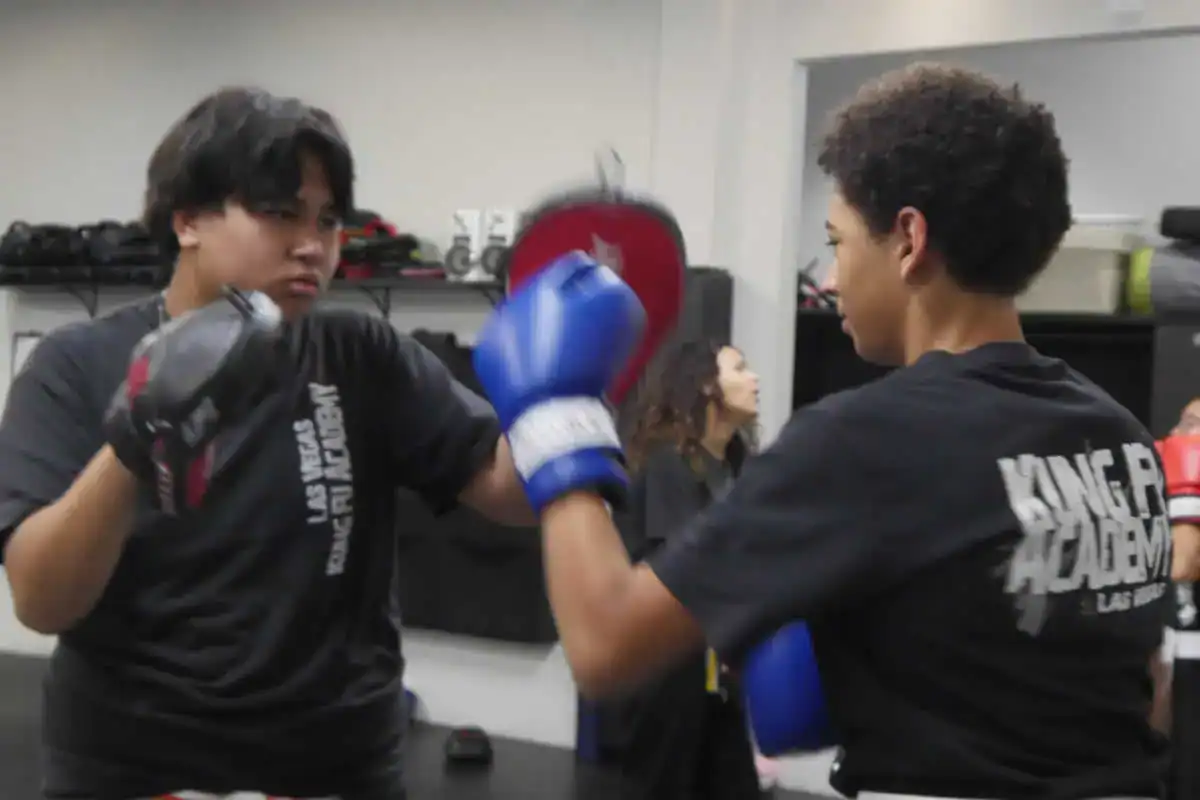
I know I can handle what is thrown at me. Of course, I don’t always win. If I get hit or thrown, I move on. I stop staring at the mistake and give the next moment everything I have.
Slowly, over the course of many martial arts classes, they learn to deal with adversity
When your teen learns to spar and perform in front of people, the anxiety is not small. It is the same feeling an adult gets before a key presentation… or before walking into the boss’s office to ask for a raise.
If you think it’s nothing, think again.
Overcoming that kind of anxiety takes courage, time, and effort.
Seriously, put some thought into this…Teens who train in martial arts are being exposed to pressure in a safe, structured way. Some teens have never faced real adversity. Everything has been handed to them. Then the real world arrives… and they crumble.
Your teen will know what it takes to perform when it counts.
How can you beat that?
I believe martial arts is unique here. Few activities are this safe and this much fun… while still demanding that your teen become a stronger version of themselves.
Now, you’re probably wondering… Isn’t confidence just telling kids they’re amazing?
Sometimes that backfires. Empty praise evaporates the first time they fail a test or get left out of a group chat.
Martial arts builds a different kind. Students earn progress they can see and feel.
First they can’t hold a basic stance. Then they can.
First they freeze when a pad comes toward them. Then they move.
First they avoid eye contact. Then they look an instructor in the eye and say “Yes, sir” or “Yes, ma’am” without shrinking.
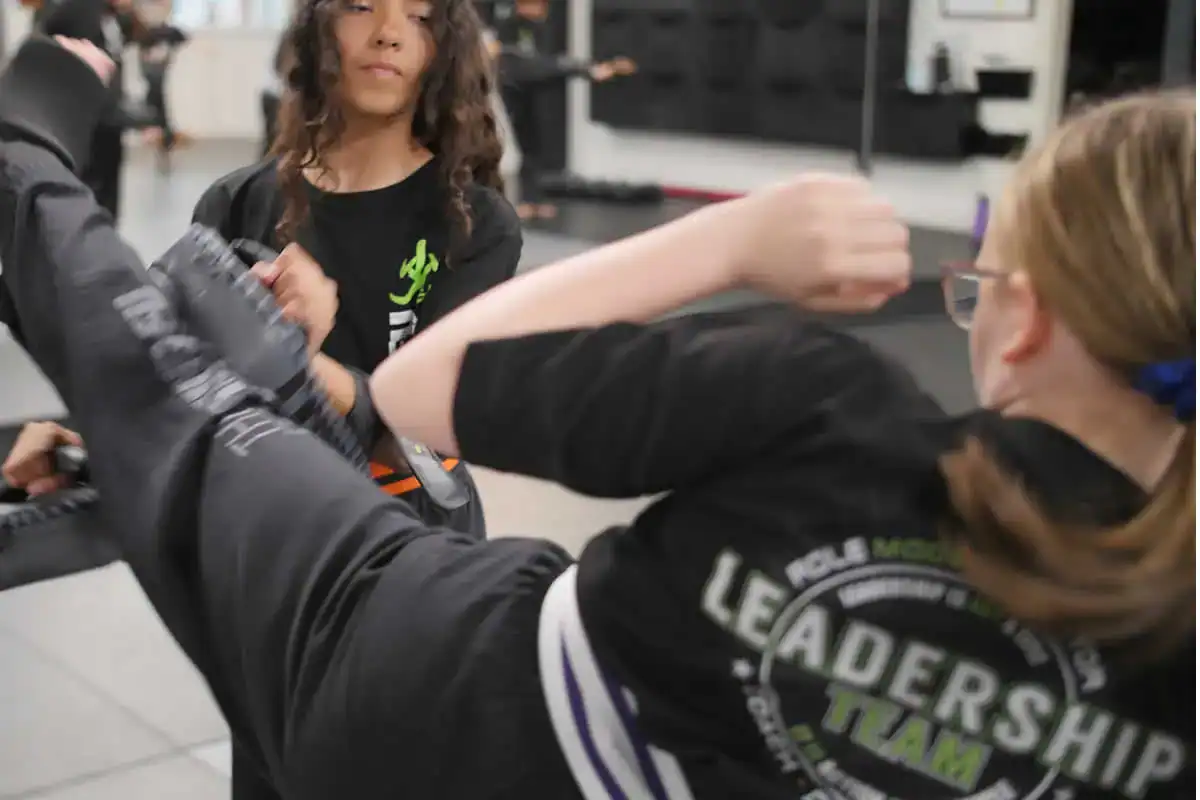
Just let this sink in for a minute... That earned competence changes how they carry themselves. Shoulders come back. The voice gets clearer. They stop apologizing for taking up space.
And best of all… it isn’t arrogance. Good schools hammer humility. Higher ranks help lower ranks. Everyone started as an awkward white belt. The culture is simple and powerful: you are capable… and you still have work to do.
Can you really afford not to give a teenager that combination? Especially girls and quieter boys who get talked over… or kids who have been teased about their body or their interests.
The result? A young person who does not fold at the first sign of pressure. A teen who has practiced following through when it would have been easier to quit.
And remember… that habit does not stay on the mat. It follows them into school, friendships, work, and every hard thing still ahead.
Friends, belonging, and social skills that aren’t performative
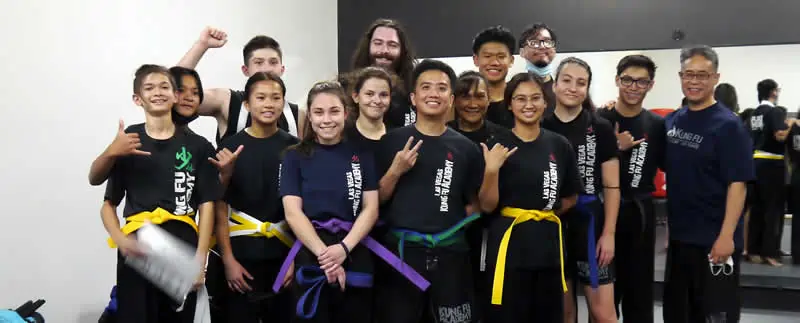
Let’s face it… Teen social life can be brutal. Cliques, ghosting, status games. Martial arts classes mix ages and personalities around a shared goal. The quiet kid pairs with the outgoing one. The athletic kid helps the uncoordinated one. Rank is earned, not bought with popularity.
Students learn to:
And of course, many find their people. Lifelong friends start on the mat. For teens who feel like outsiders at school, the dojo can become the first place they feel competent and accepted at the same time.
Self-Defense Skills and the Quiet Power of Feeling Safer
A word of caution: no class makes anyone invincible. Street situations are messy. But here’s something you probably don’t know about many teenagers: they walk around with a low-level unease. Hallways, buses, parties, walking home. Some have already been shoved, threatened, or filmed against their will.
Martial arts gives them options. They learn distance, timing, how to use their voice, how to create space, how to fall without panicking, and simple, high-percentage responses if someone grabs them. More important than techniques is the shift in presence. Predators look for easy targets. A teen who moves with awareness and stands balanced is less of one.
And that doesn’t take into account the fact that… knowing they have skills reduces the constant background anxiety. They don’t have to become aggressive. They just stop feeling helpless.
But you know what else? Many programs teach de-escalation first. Walk away when you can. Use words. Only use physical skills if you have no choice. That combination — capability plus restraint — is rare and valuable.
"I'm always amazed at what he's learned."
"This is the definitely the best place for my son. My son first enrolled when he was 4 years old. He is still training and is now 10 years old. He still loves martial arts and is always enthusiastic about coming to class.
Throughout these years attending the Las Vegas Kung Fu Academy he has evolved as a martial artist. His martial arts skills are always improving every year.
I'm always amazed at what he's learned. He really loves learning all the different skill sets.
Being in martial arts throughout these years has definitely given him confidence. I have no worries when he enters middle school. I know he will adjust well and easily make new friends."
James R.
3 Reasons Why Your Teen Should Enroll
The first reason is to give them a chance to be their true selves.
Maybe your teen can easily make new friends, is assumed to be the leader of the group and habitually sees the world with a bright and positive attitude.
However, If your teen is shy when meeting others, displays passiveness and sometimes lets others take advantage of them, there is no time to wait. Your teen needs help now.
Your problem may start off as seemingly small.
Navigate negative peer pressure
For instance, maybe your teen has trouble interacting with his peers. They may have a hard time looking people in the eye. These problems are not severe but can grow along with the teen, before long they become prime targets for bullies. Resisting negative peer pressure is hard and may even become withdrawn.
Do you follow me so far?
Ultimately, the goal of our martial arts classes for teens has your teen change the way they see themselves. We want to change their identity. They should think of themselves as martial artists.
When a peer asks them if they want to try and take a shot of vodka, we want them to respond with "Sorry I can't, I am in training."
Martial arts made me into what I am today, both a teacher and a mentor.
Surrounding themselves with extremely motivated like-minded individuals
Your teen can get involved with other teens that share similar goals. Just being around and interacting with other teens who are motivated is not to be underestimated.
It's sort of like being on the state high school championship football team, everyone is excited just to be there.
This is the secret to training teens.
The class cannot be like the military. Although I know some parents would like our classes to resemble boot camp. However, the culture at our school is more casual and definitely conducive to your teen making lifelong friends.
In the end, the teen class has to be a social outlet, somewhere where it's like an oasis or safe haven for them to be their true selves.
In teen class there are adults training in there as well
In this age of instant communication, many teens feel more lonely and isolated than ever.
Here's the story...
A long time ago in America's past, school rooms would be filled with students of all ages. It is only recently that schools have become separated by grade levels in order to make teaching easier for the instructor.
Can you imagine being surrounded by students who all have the same level of wisdom as everyone else?
Wisdom cannot be gleaned from someone your own age. It is always the elderly, the oldest of our tribe that has the life wisdom to impart
Raised by a community
It used to be that teens would be raised by the community. teens would interact with the elderly as well as people much younger than themselves. Today because teen are constantly surrounded by other teen just their own age every little thing that happens becomes a big deal. For example, let's say that you didn't know that high top shoes were out of fashion this year and you wore them to school and got made fun of. Now imagine if this was constant? It can really affect your teen's self-confidence.
Now imagine, if your teen were regularly interacting with other adults, High-level professionals who are leaders in the community? Would they have perhaps a different perspective on how cool their shoes are or are not?
Wouldn't you like to have your teen know how to communicate with adults like an adult? How would you like them to carry themselves with such maturity that you get compliments on how well-raised they are?
By expanding their personal network to include positive adult role models you will definitely be setting them up for success later in life.
Mental health, stress relief, and a place to put big feelings
Teenagers feel everything at high volume. Anger, embarrassment, crushes, disappointment, dread about the future. A lot of them have no safe physical outlet except maybe slamming a door.
Martial arts gives them a ritualized way to work it out. Hitting pads is honest. Sparring (when introduced properly) is intense but contained. Forms require breathing and precision. After class, the nervous system often settles. Cortisol drops. Sleep improves for many.
Think about it… Instead of scrolling until 1 a.m. or snapping at family, they have a place where effort is expected and emotions can move through the body instead of looping in the head.
The best part is that… they also learn emotional regulation in real time. Get scored on in a drill and stay composed. Get corrected in front of the class and keep training. That’s resilience practice, not a worksheet.
Character, respect, and values that stick
There are two reasons why this matters more than people admit. First, character is practiced, not just discussed. Second, teenagers are forming their identity now.
Good martial arts schools teach courtesy as non-negotiable. Bowing isn’t empty ritual if it’s paired with treating training partners as people, not punching bags. Students learn to control power. A bigger, stronger teen is taught not to dominate a smaller partner. That’s ethics in motion.
I believe that this is one of the last widespread places where young people regularly practice delayed gratification, respect for teachers, and personal responsibility in a group setting. They forget their belt? They deal with it. They’re late? They wait and then join in without drama. They lose their temper? They sit out and then return.
As I mentioned above, humility is built in. There is always someone better. There is always another level. That keeps ego in check while still allowing pride in real progress.
Here’s what people are saying about our school.
“
I highly recommend this place
When I first enrolled my son I knew he would learn how to defend himself and learn martial arts.
However, I wanted him to also learn the life skills that martial arts has to offer - confidence and respect.
Training in martial arts has instilled in my son the importance of character building. In class, the instructors would gather the students and talk about life lessons.
They call this the mat chat part of class. I really love this part of class. The instructors would cover valuable topics like respect, kindness, mindfulness, commitment, optimism, perseverance, and more.
They also teach them how to be great individuals inside and outside of the martial arts studio. Teaching important life skills to teen is priceless. Thank You Instructor Kevin & Renee!
Julie F.
Parent
“
Your school and your mentorship has changed our sons life!
Dear Instructor Kevin, Just a quick note to thank you for all you do for our son and our family.
When Xoli first joined your school in Spring 2007 he felt so unsafe in the world. He has been in the 5th percentile for weight and height since he was a baby. By middle school he complained of being bullied at school.
Today, as a sophomore in high school he continues to be smaller than other males his same age but his self esteem and sense of competence is so high it doesn't matter.
Not only has he learned how to protect himself, he has learned respect for others and self control. Your school and your mentorship has changed our sons life! Thank You
Jo Velasquez
Parent
School Performance, Goals, and Future-Ready Habits
You may wonder why a punching-and-kicking class would help algebra. Here’s the reason why: the same muscles used to remember a form are used to remember a process. The same willingness to drill the basics shows up when studying for a test.
Many parents notice improved grades, not because martial arts teaches math, but because it teaches how to work. Goal-setting becomes concrete. Next belt. Next stripe. Next technique. Teens learn to write down what they want, break it into steps, and show up even when motivation dips.
What’s more… they practice performing under mild pressure — demonstrations, belt tests, light competition if they choose. That transfers to presentations, interviews, and tryouts later.
Some of the things your teen will learn in martial arts classes:
These are some of the concepts and drill we teach in FMA class.
Healthy Alternatives to Screens, Substances, and Drift
The biggest problem most teenagers face isn’t lack of information. It’s lack of a compelling, physical, social, meaningful activity that takes them out of their heads and into their bodies with other people who expect something of them.
Martial arts is hard enough to be interesting and structured enough to be safe. It gives status that isn’t based on looks or follower count. It occupies time that might otherwise go to mindless scrolling or riskier experiments.
Don’t get me wrong: it’s not a magic shield. But it is a powerful competing activity. When class is Tuesday and Thursday and they don’t want to miss it, other choices get easier.
We don't want to be just another activity, we want to be your partner in parenting
What to expect
Teens learn differently than younger students. Their abilities and general coordination are much more developed than 9-year-olds. This age group is also much more social. When running classes for this age range classes are very partner drill oriented and a bit more technical in technique.
Classes at our Las Vegas school for teens are 50 minutes long/ The classes and are much more in-depth than the younger students class. Each class is very structured and each class has a specific theme for the day.
Class is broken into sections
First, instruction begins with deep breathing and stretching.
Second, the class starts an intense physical warm-up. This prepares your teen at our school for self-defense training.
Third, your teen will go through self-defense training. This part of class consists of sparring with light contact to teach range, timing and how to apply what was taught during the warm-up.
Their progress is their responsibility
Students start by slowly moving outside of their own comfort zone.
As they progress they attempt increasingly difficult kung fu moves.
This makes them see that life is a never-ending commitment to improvement
Your Teen will Learn
Multiple Styles Of Martial Arts
Wing Chun
Wing Chun is a close-quarters combat system. Speed and efficiency are its trademark.
Wing Chun uses sensitivity training to make fighting instinctive. When you can fight without thinking you perform at a much higher level.
You will learn how to build habits of how to react instantaneously to all self-defense situations. Wing Chun does not have complicated techniques that are unlikely to work in a real-life fight. Instead, Wing Chun simplifies its techniques and strategies so that you can be ready to defend yourself quickly.

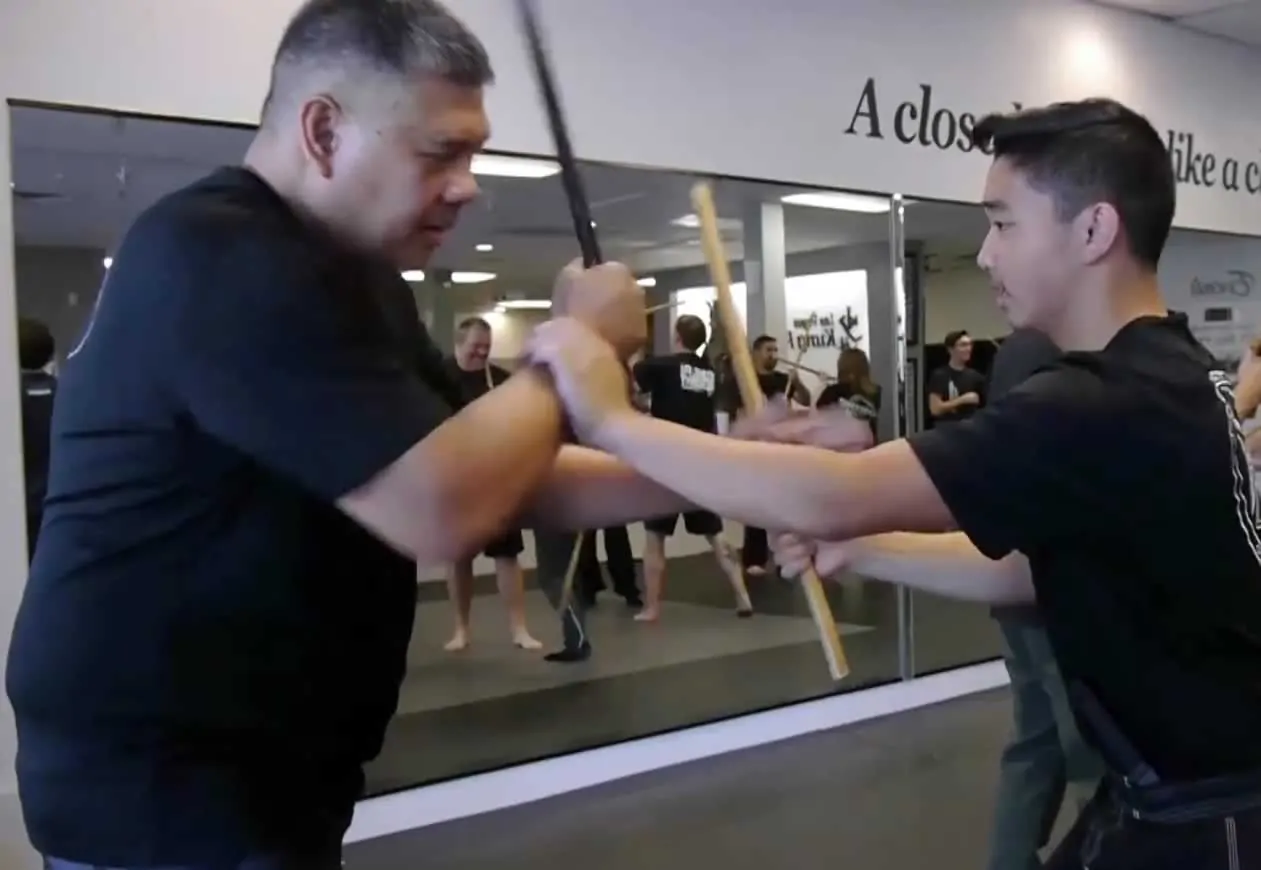
Kali / Escrima / Arnis
Kali, Arnis, And Escrima are all names for styles that come from the Philipines. These are weapon-based arts.
Kali, Arnis, And Escrima, are known for having the best strategies for dealing with knives and edged weaponry. Thus, it is one of the main arts studied by special forces around the world.
Although these Filipino martial arts are famous because of the practical weapon defenses, they do contain self-defense techniques. The empty hand curriculum is sometimes known as Panantukan or Suntukan.
Judo
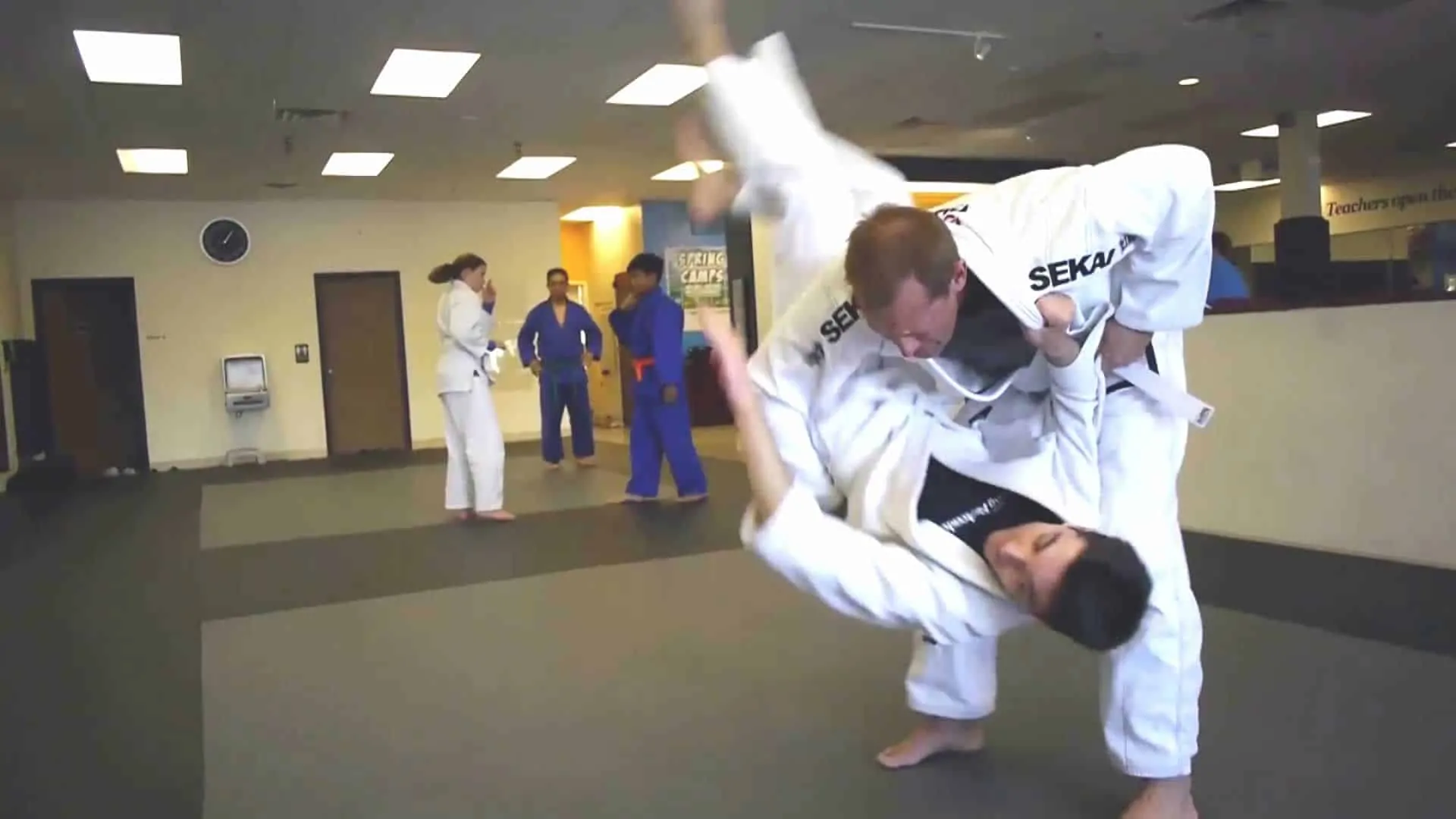
Japanese Judo is a throwing art. Judo is one of the best styles for learning take-downs, tackles, and trips.
Judo is a combative sport. Students compete against each other to try and score points. Points are given for every clean throw. Points can also be one by pinning your opponent to the ground and immobilizing them for half a minute.
Although Judo is a sport and not primarily focused on self-defense (Judo has no punches or kicks), It can definitely be used to defend yourself, If you can first strike using some of the other systems offered at our academy then your throwing techniques will become effective for self-defense.
Jeet Kune Do Concepts
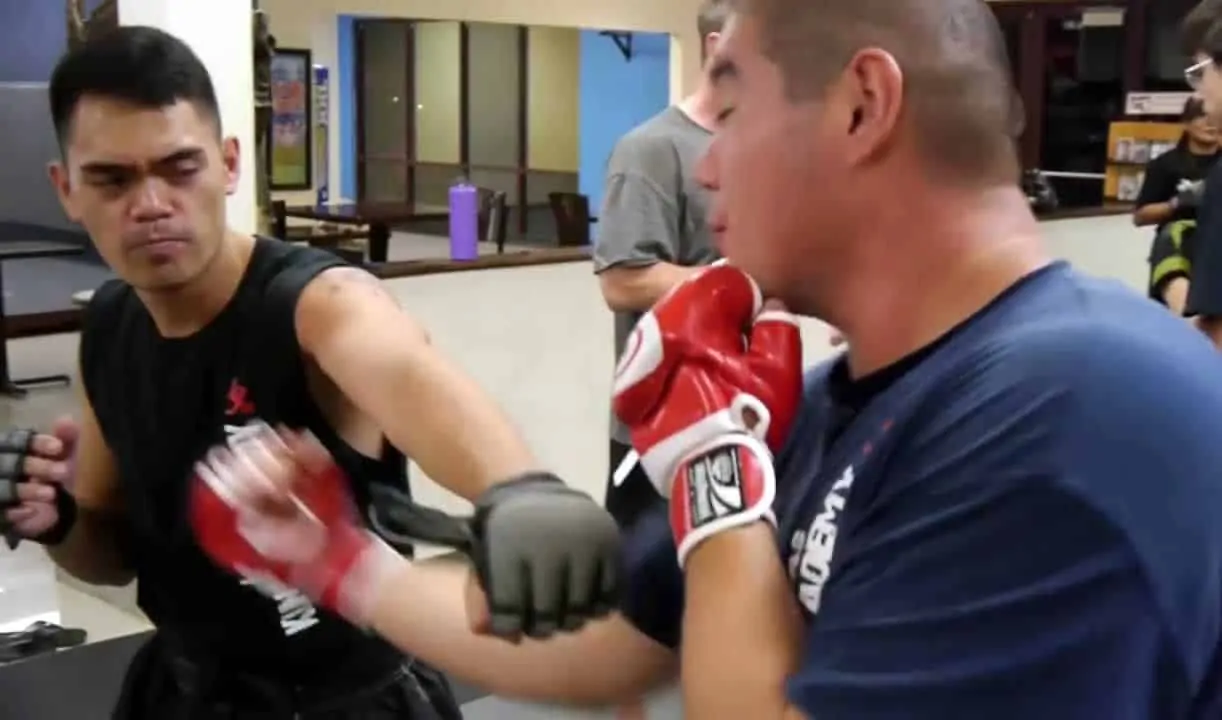
Jeet Kune Do is not a style. JKD is better defined as a set of concepts and ideas that you apply to create your own style of fighting.
JKD was created by Bruce Lee. Bruce Lee originally started out by combining two martial arts Western fencing and Wing Chun. He found that he liked some aspects of each style but did not care for other aspects.
Eventually, Bruce Lee learned and incorporate many techniques from various styles of martial arts to create a way of fighting that was unique to him. He realized that every person will also eventually their own unique style of fighting based on their personality, experience and body type.
Shaolin Kung Fu
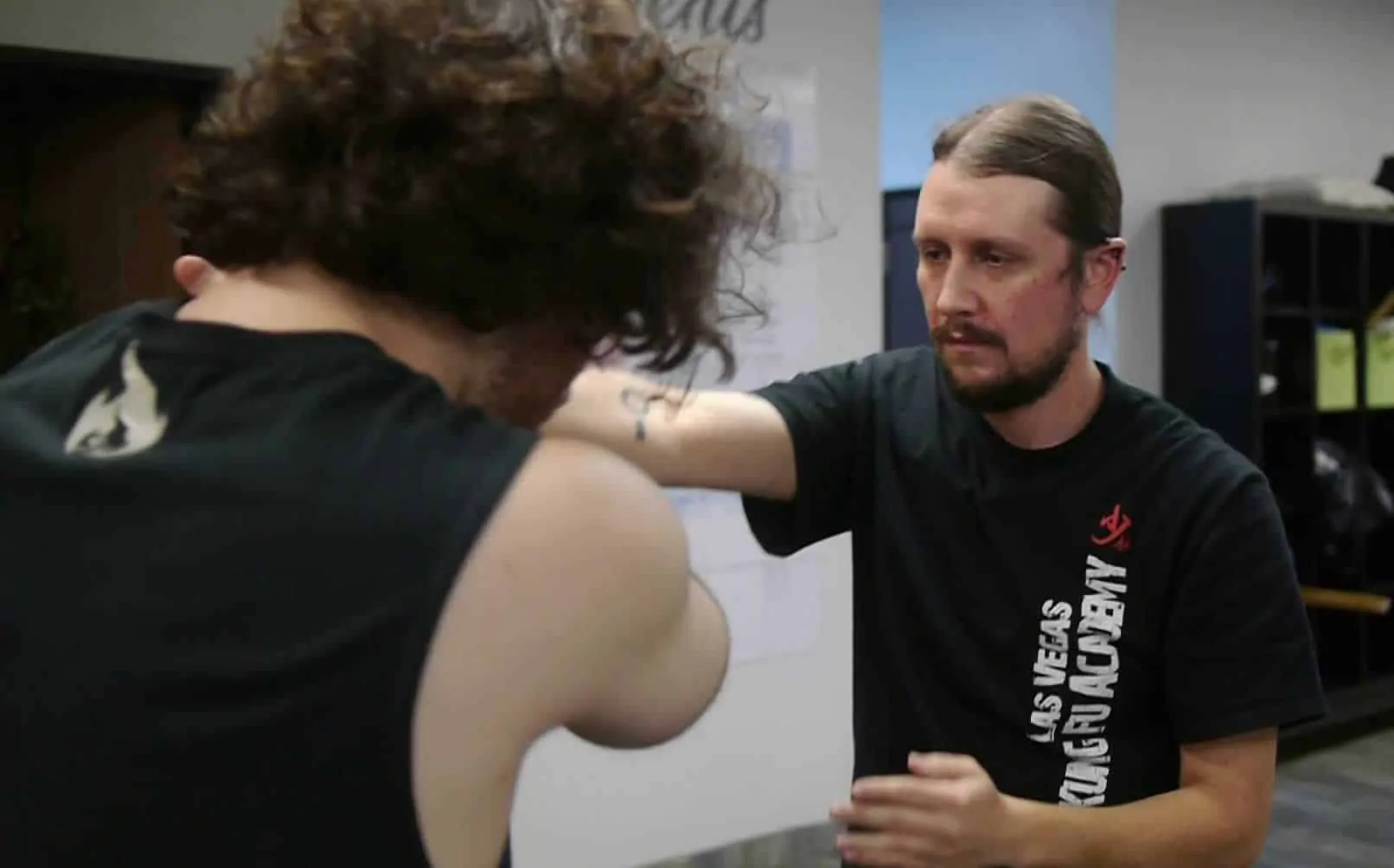
Shaolin Kung fu is an ancient system of combat. Long ago, the Buddhist monks who lived at the Shaolin Temple, need a way to defend themselves from attack. Their temple was built far into the mountains. If they were attacked there was no one around to protect them.
Thus, these peaceful monks added daily training in the art of Kung fu to make sure they could defend themselves.
However, the Shaolin Monks also found that Kung Fu gave them the ability to maintain their health through their daily practice of the art
What to look for and how to start without overwhelm
OK, I know what you’re thinking… Which style? Which school? Is it safe? Too expensive? Too intense?
Fair enough. Look for:
Styles vary. Some emphasize striking, some grappling, some traditional forms, some sport. The “best” one is the one your teenager will attend consistently with good coaching. Visit. Watch a class. Talk to the instructor. Ask how they handle different personalities and injuries.
There is just one small catch... The teen has to go. Not once. Regularly. The magic is in the repetition. So start with a short commitment, celebrate showing up, and let the benefits accumulate.
FAQ
We've tried to answer any questions you might have but if we've missed something you can always call us at 702-336-1095.
Answer: Yes, of course. You are welcome to observe or try a class. However, please contact us to schedule an appointment to come in. The trial class is free.
Answer: Wear comfortable clothing. Also, wearing flip-flops or sandals are the easiest. Our students are not allowed to have footwear on when training on our mats. However, when they do step off our mats footwear is required. Also, we recommend you bringing a water bottle.
Answer: Teen cLasses are Mon. through Fri. at 6pm Also, you can checkout our class schedule here: https://www.lvshaolin.com/schedule/
Answer: You're never too old to start martial arts. indeed, we have student of all ages and at different fitness levels. Don't worry about not being in shape. Enrolling in martial arts will help you get in shape. Here at our school, you work at your own pace and set your own goals. in short, we are here to help you in reaching your own personal goals.
Answer: Our program is on-going. in other words, you can start at anytime. It's not like collage when everyone starts and ends at the same time
Answer: Everyone's schedule is different. Most people come twice a week. However, some students love our classes so much, they come everyday
Answer: Usually, if you are on a trial program, you can borrow our equipment. However, if you enroll in our regular program, you are required to have your own equipment eventually. In addition, your equipment packages can be purchased here at our martial arts studio.
Answer: Martial arts (like any other sport) has its various risks and dangers. However, we always try our best to prevent injuries. In addition, we always promote a culture of safety at our school that helps keep students from getting injured.
Here’s what people are saying about our school.
“
We chose the Kung Fu Academy because it was so clean and the instructors were really friendly. We had a good vibe from here.
The Las Vegas Kung Fu Academy is a wonderful all around school.
We were looking at a a couple of different martial arts schools when we first moved to Las Vegas. Finally, we chose the Kung Fu Academy because it was so clean and the instructors were really friendly. In the end, it was also the good vibe we got here.
I initially thought that it was a bit on the expensive side but after we looked around there were no other schools that really compared.
This is the kind of studio that you should not expect get your black belt anytime soon. They don't promote you unless you are actually ready. You have to train long and hard in order to get good. This place takes their martial arts seriously.
Instructor Zak is fantastic. He is caring and enthusiastic when teaching. All of the instructors have a sense of humor and they always have fun in the teen class. I think they are all young at heart.
If you are looking for the BEST, give the Las Vegas Kung Fu Academy a try you won't regret it.
Jill R.
Parent
“
My kiddo has been taking classes at the Las Vegas Kung Fu academy since February and I can't rave enough about it.
I recently asked my son what he thought of classes and he just said one word "AMAZING"
When my son first asked to take karate, I was a little hesitant. I guess you could call me an overprotective mom. After talking to the instructors, I felt at complete ease knowing the my teen would be safe.
All of the instructors give great guidance and instructions. All of the other student are very supportive and always try to help out.
Because our son is home-schooled we need someplace where it was't just about self defense but where he could make friends as well.
I have noticed a huge difference in mys son's confidence level since joining and it has really been a life changing experience for him.
It's been an incredible experience so far and this place has exceeded all of our expectations.
Jaime P.
Parent
The compound effect most people underestimate
But wait! You have seen NOTHING yet... when these pieces stack. A fitter body plus better sleep plus earned confidence plus a peer group that values effort plus a weekly ritual of challenge. That’s not one benefit. That’s a different trajectory.
Just imagine the 16-year-old who used to hide in their room now helping a new student tie their belt. The kid who froze in conflict now using their voice first. The student who “wasn’t athletic” discovering they love moving with purpose.
And in addition to that, the lessons last. Adults who trained as teens often say the same things: I still stand differently. I still breathe when I’m stressed. I still finish what I start more often than I used to. I still know I can learn hard things.
Bottom line is… teenagers need more than entertainment and more than lectures. They need a place where effort is visible, progress is measurable, community is real, and character is practiced under a little pressure.
So what are you waiting for?
Book a trial class. Go watch. Let your teenager try it while the window of habit-formation is still wide open.
You’re going to love this… not because every class is perfect, but because the direction is so clearly better than the default path of more sitting, more comparing, and more drifting.
And best of all… you don’t have to take my word for it. Take them to a class. Watch their face after the first month of showing up. That’s the proof that matters.
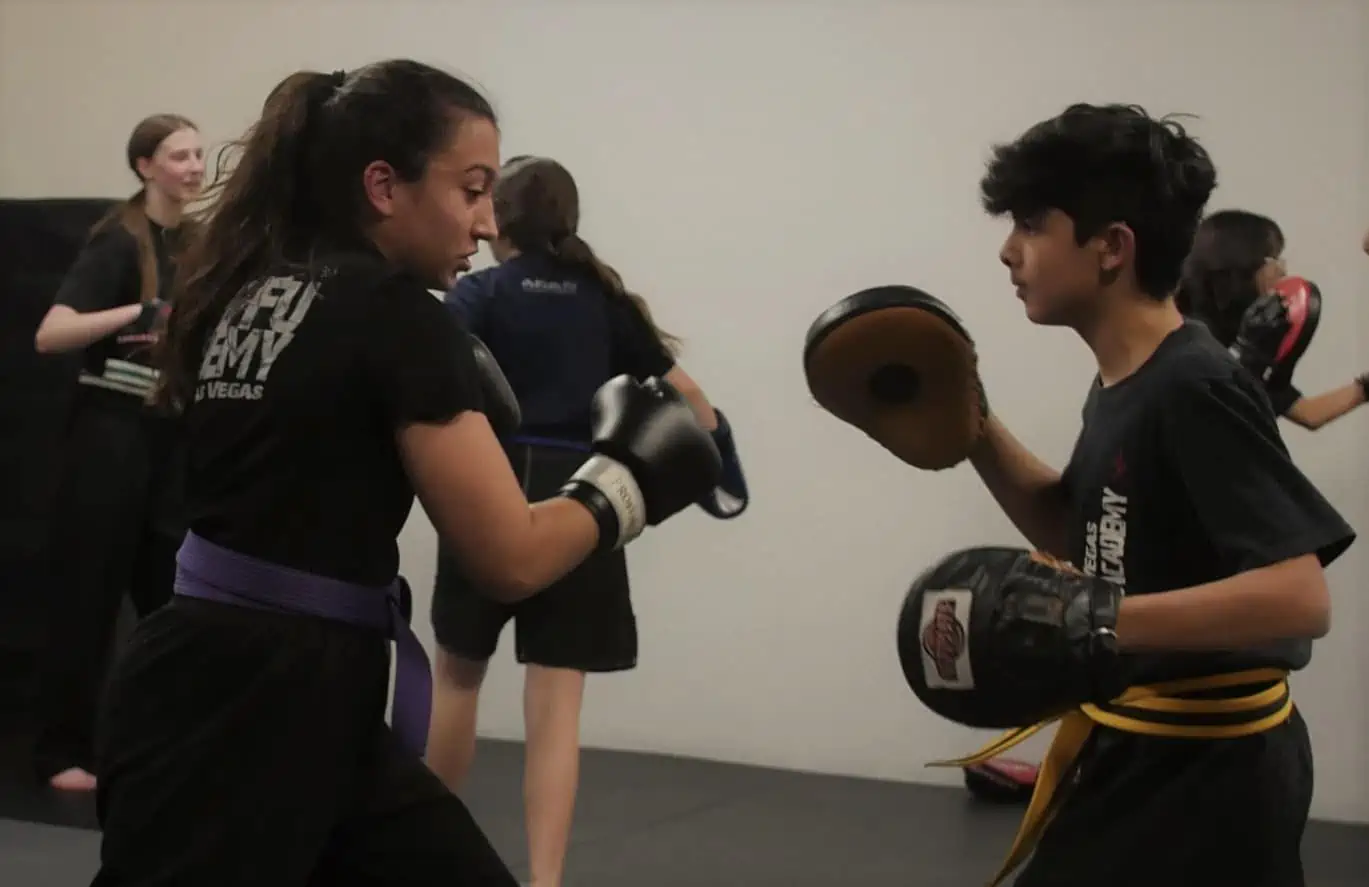
Start. Stay with it long enough for the awkward phase to pass. The benefits of joining a martial arts class for teenagers are not hype. They are the predictable result of structured physical challenge, skilled teaching, and a culture that still believes young people can become stronger, calmer, more capable versions of themselves.
The exciting thing about this is that it works for the shy kid, the hyper kid, the athletic kid, and the kid who thinks they hate sports. It meets them where they are and asks them to grow.
If you have read this far, it means you already suspect your teenager could use something like this. Trust that hunch. Give them the mat, the instructor, the ritual, and the chance to surprise themselves.
That’s the real gift. Not a trophy. A young person who knows, in their bones, that they can face difficulty, keep their composure, treat others with respect, and keep getting better. Astonishing, isn’t it? And it’s available down the street, a few evenings a week, starting whenever you decide to walk through the door.